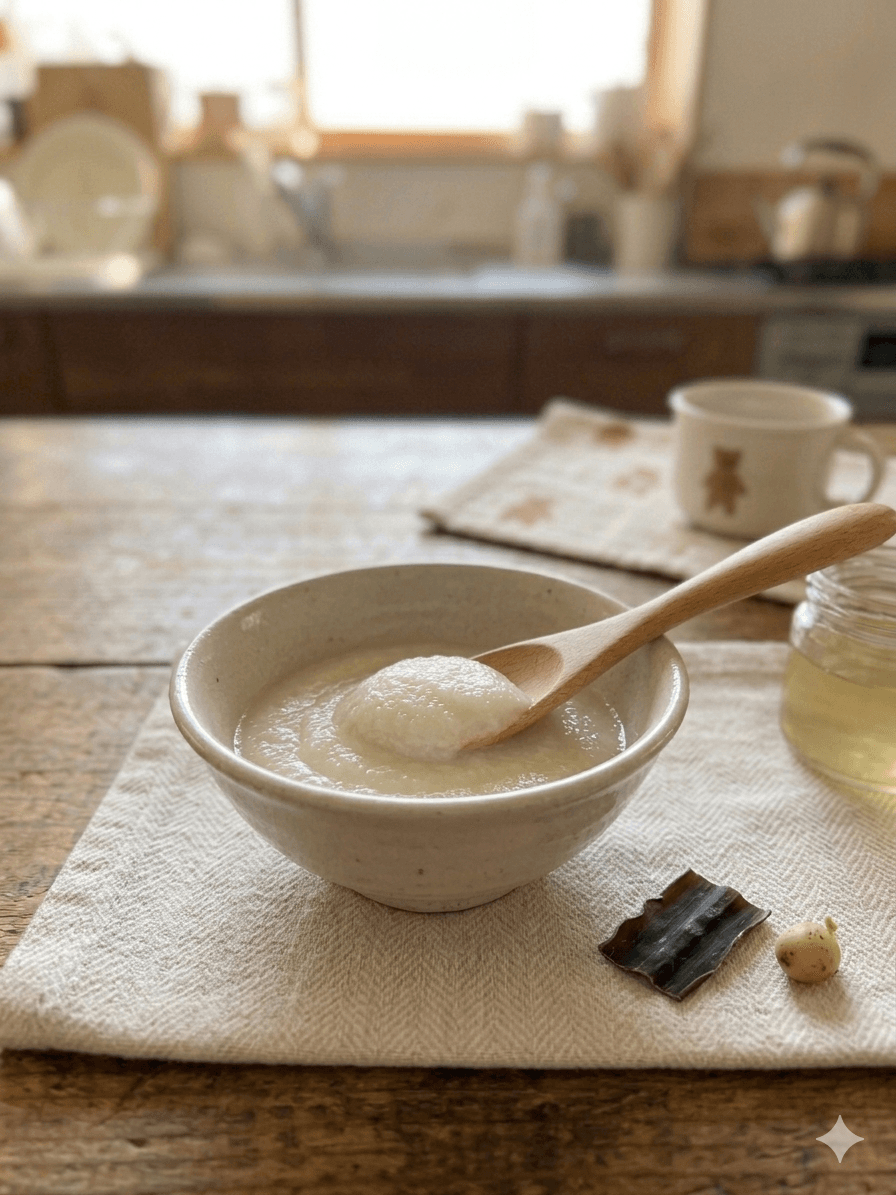
Daikon and Potato Puree with Kombu Dashi
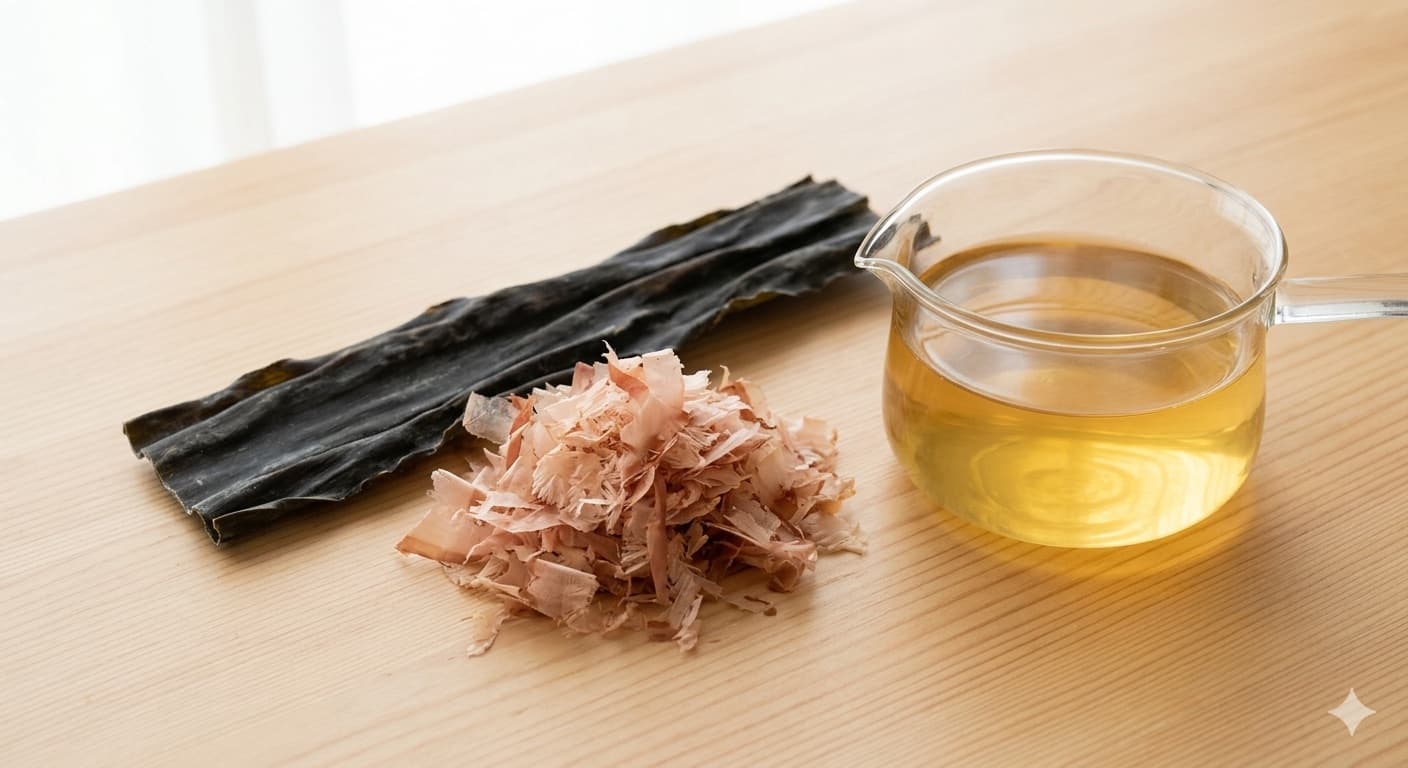
Daikon (Japanese white radish) is one of the most versatile vegetables in Japanese cuisine - pickled, simmered, grated, or eaten raw. For babies, it is introduced cooked and pureed, as cooking transforms daikon's mild pungency into a sweet, mellow flavor. Japanese mothers often pair daikon with potato because the combination creates a naturally thick, smooth puree without any added thickeners. The kombu dashi base - made simply by soaking dried kelp in cold water - provides a mineral-rich, allergen-free umami that is considered the purest form of Japanese flavoring for babies.
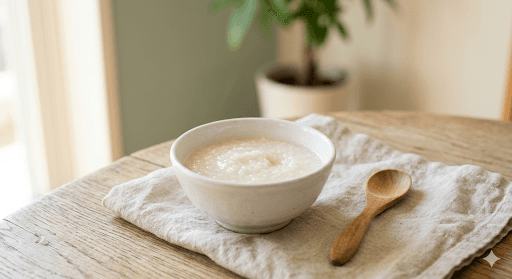
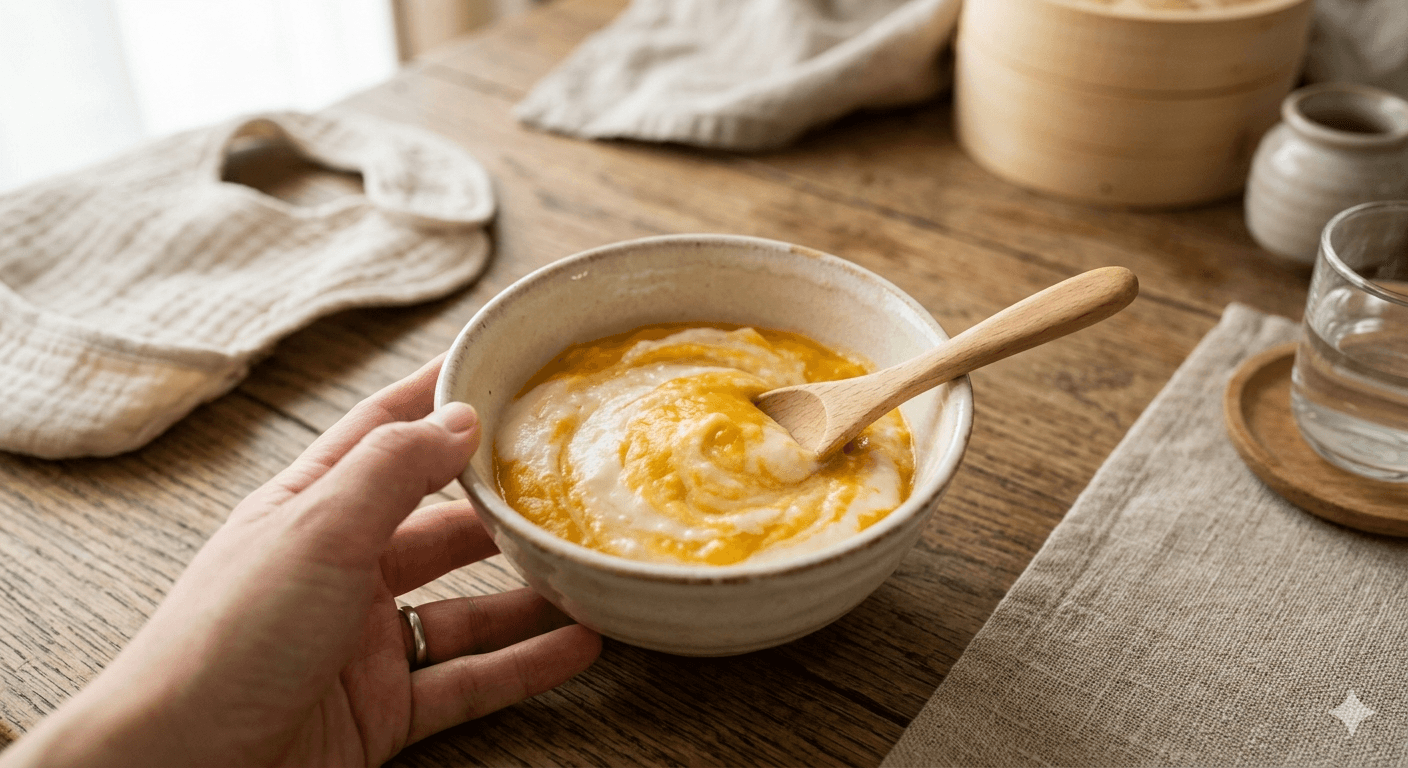
Mild and soothing daikon radish paired with creamy potato, simmered in kombu dashi. A gentle introduction to the delicate umami flavors at the heart of Japanese cooking.
Ingredients
- 50g daikon radish, peeled and sliced
- 50g potato, peeled and diced
- 1/2 cup (120ml) kombu dashi (cold-brew: soak 5cm kombu in water for 30 min, remove kelp)
- Extra water as needed
Ingredient Substitutions
Can't find Japanese ingredients? Here are alternatives available at most supermarkets.
- Daikon → turnip or parsnip (similar mild flavor when cooked)
- Kombu dashi → plain water (flavor will be milder but still nutritious)
- Potato → sweet potato for a sweeter variation
Instructions
- 01Prepare kombu dashi if not already done: soak a piece of kombu in cold water for at least 30 minutes, then remove the kelp.
- 02Place daikon and potato in a small pot with the kombu dashi.
- 03Bring to a gentle boil, then reduce heat and simmer until both vegetables are completely tender, about 15-20 minutes.
- 04Reserve the cooking liquid.
- 05Transfer vegetables to a blender and blend, adding cooking liquid to achieve desired consistency.
- 06For 5-month-olds, blend very smooth. For 6-month-olds, a slightly thicker texture is fine.
- 07Strain through a sieve if needed. Cool to body temperature before serving.
Tips from a Dietitian Mom
- Cold-brew kombu dashi is the easiest method - no cooking required. Just soak and use.
- Potato provides a natural creamy thickener - no need to add oil or dairy.
- Daikon has a very subtle flavor when cooked; if baby resists, try mixing with a little kabocha or sweet potato puree.
- The kombu in dashi contains natural iodine - important for thyroid function in growing babies.
Storage & Freezing
Refrigerate for up to 24 hours. Freeze in ice cube trays for up to 2 weeks. Note: potato-based purees can become slightly grainy when frozen - blend briefly after thawing to restore smoothness.
Nutrition Facts
Per serving (approximate)
Frequently Asked Questions
- Is daikon safe for babies?
- Yes - cooked daikon is very safe and gentle for babies. Raw daikon has a mild peppery bite, but cooking transforms it into something mild and sweet. Always serve it cooked and pureed for 5-6 month olds.
- What is kombu dashi and where do I buy kombu?
- Kombu is dried kelp seaweed. Soak it in cold water for 30 minutes and you have dashi - no cooking needed. Find kombu at Japanese or Asian grocery stores, or online. It keeps for months in your pantry.
- Why kombu dashi rather than bonito dashi here?
- This is an early-stage recipe (around 5-6 months), and kombu (kelp) dashi is vegetarian and fish-free, making it the gentle first stock for young babies. Bonito-based dashi introduces fish, so it is usually held until the middle stage once fish has been introduced. Kombu dashi still adds lovely umami without any salt.
- Can I freeze this daikon and potato puree?
- Yes. This puree freezes well - portion it into an ice-cube tray or small containers and freeze for up to about a month. Thaw and reheat thoroughly, stirring in a little extra kombu dashi or water to loosen it back to a smooth consistency before serving.
Free Baby Food Starter Guide
Get our free PDF guide to starting solids the Japanese way, plus weekly recipes and nutrition tips for your little one.